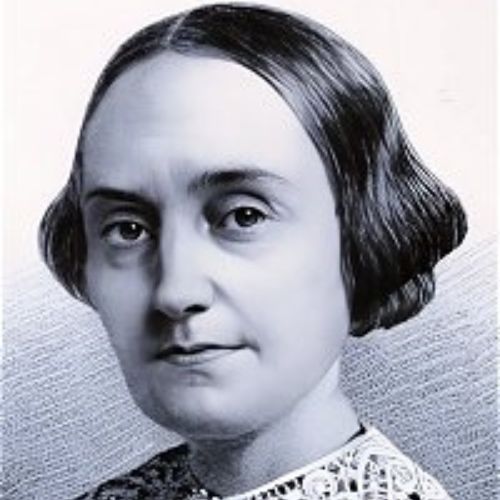
Lydia Baxter (1809–1874) was an American poet and hymnwriter, best remembered for deeply devotional hymns that became staples of 19th‑century Sunday School and evangelistic movements.
Who She Was
- Born: Lydia Odell, 2 September 1809, Petersburgh, New York
- Died: 23 January 1874, New York City
- Affiliation: Baptist
- Spouse: Col. John C. Baxter
She became a Christian at a young age under the ministry of Rev. Eber Tucker, a Baptist missionary. Her conversion, along with her sister’s, helped lead to the formation of a Baptist church in her hometown.
After marriage she moved to New York City, where her home became a gathering place for ministers, musicians, and writers—despite her being bedridden for nearly 30 years due to chronic illness.
Her Hymn Writing
Lydia Baxter wrote many hymns for:
- Baptist Sunday School Unions
- Evangelistic services
- Annual hymn collections in New York churches
Her writing is marked by:
- Simplicity
- Emotional warmth
- Strong devotional focus on Jesus’ name, comfort, and hope
Most Famous Hymns
1. “Take the Name of Jesus with You” (1870)
Her best‑known hymn today, written for composer W. H. Doane. It reflects her personal reliance on the name of Jesus as a source of comfort during illness.
2. “There Is a Gate That Stands Ajar” (c. 1872)
Written for S. J. Vail, later popularised by Philip Bliss and Ira Sankey. It became widely sung in the U.S., England, and Scotland.
3. “The Gate Ajar for Me”
Another widely‑loved hymn, influential in the early ministry of Ira D. Sankey.
Other notable hymns include:
- One by One We Cross the River
- In the Fadeless Springtime
- Cast Thy Net Again, My Brother
Publications
- Gems by the Wayside (1855) — a collection of religious poetry
Legacy
Despite lifelong suffering, Lydia Baxter’s hymns radiate hope, patience, and confidence in Christ. Her work became central to the Moody–Sankey revival era and remains beloved in many hymnals today.

