Category: The Lord Jesus
‘Guardian of my Soul’
Guardian of My Soul is Darren Shaw’s 2012 Salvation Army band arrangement built around two songs that share the phrase “Guardian of my soul” — his own worship song I Worship You and the classic hymn O Jesus, I Have Promised (tune: Aurelia). The “story behind” it is the devotional journey Shaw wanted to express: following Christ to the cross, finding grace, and resting in His protection.
Below is a clear, structured account drawn directly from grounded sources.
⭐ Core Story Behind Guardian of My Soul
The arrangement is essentially a musical meditation on discipleship and Christ’s guidance. Darren Shaw wrote new lyrics — I Worship You — expressing:
- Christ as God’s only Son who leads believers to the cross
- The believer’s healing and identity found in Christ
- The assurance that Christ knows our name and our destination
Shaw then wove these new words and melody together with the older hymn O Jesus, I Have Promised, whose final verse contains the line “Thou Guardian of my soul.”
This pairing creates a dialogue across generations:
- The Victorian hymn expressing lifelong commitment to Christ
- The modern worship song expressing personal devotion and surrender
The arrangement’s purpose is to show that the same Christ who guided past generations continues to guard and lead believers today.
🎼 How the Music Tells the Story
The Salvation Army Music Index explains how Shaw structures the piece:
- It begins tranquilly, inviting reflection.
- Section A introduces Shaw’s own melody I Worship You.
- Section B gently expands the texture with cornets and flugel.
- Section C adds urgency with semiquaver movement, symbolising the believer’s journey toward Calvary.
- A key change leads into the hymn tune Aurelia, representing the older promise: “Thou Guardian of my soul.”
The final section returns to I Worship You, now enriched by the earlier hymn’s assurance — ending in a calm, prayerful statement.
✍️ The Texts Behind the Music
1. Darren Shaw’s lyrics (1995/2005)
Themes include:
- Christ’s sacrifice
- Healing through His wounds
- Following Him to Calvary
- Knowing one’s identity and destiny in Christ
2. John Ernest Bode’s hymn (1866)
The verse containing “Guardian of my soul” emphasises:
- Hearing Christ’s voice
- Guidance through life’s storms
- Commitment to serve Him to the end
Shaw intentionally connects these two texts to show continuity of faith across time.
🎵 Why the Arrangement Resonates
Grounded sources highlight several reasons for its popularity:
- Simplicity and clarity make it accessible for many bands.
- Deep devotional content speaks to listeners and performers.
- The International Staff Band’s performances helped establish it as a modern classic.
It is often used in thanksgiving services, reflective worship, and moments of commitment, because its narrative — Christ guiding the believer from life to Calvary and into assurance — is emotionally powerful.
James Montgomery
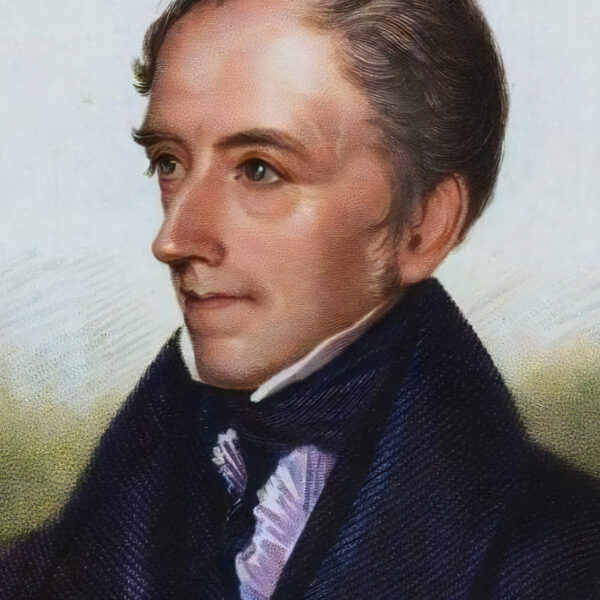
James Montgomery (1771–1854) wrote a huge number of hymns, many of which remain central in Methodist, Moravian, Anglican, and Salvation Army traditions. Here is a clear, structured list of his most widely‑used hymns today, drawn from authoritative hymn indexes and collections.
⭐ Most Well‑Known Hymns by James Montgomery
These are the hymns you will most often find in modern hymnals and worship settings:
- Angels from the Realms of Glory
- Go to Dark Gethsemane
- Prayer Is the Soul’s Sincere Desire
- Hail to the Lord’s Anointed
- Stand Up and Bless the Lord
- A Poor Wayfaring Man of Grief (beloved in LDS tradition)
- In the Hour of Trial
- O Spirit of the Living God
- Forever with the Lord
- Shepherd of Souls, Refresh and Bless
📜 Additional Hymns by Montgomery (frequently included in hymnals)
These appear across many collections and reflect his strong devotional and missionary emphasis:
- According to Thy Gracious Word
- All Hail to God’s Anointed
- Be Known to Us in Breaking Bread
- Call Jehovah Thy Salvation
- Come to Calvary’s Holy Mountain
- Daughter of Zion, From the Dust
- Friend After Friend Departs
- Gethsemane Can I Forget?
- God Is My Strong Salvation
- Heralds of Creation, Cry
- Lord, Teach Us How to Pray Aright
- O Bless the Lord, My Soul
- O Where Shall Rest Be Found?
- People of the Living God
- Searcher of Hearts, to Thee Are Known
- Sing We the Song of Those Who Stand
- Songs of Praise the Angels Sang
- Sow in the Morn Thy Seed
- Spirit, Leave Thy House of Clay
- Lord, Pour Thy Spirit From on High
📚 Montgomery’s Hymns in Classical Collections
The Christian Classics Ethereal Library preserves a large set of his original hymns, including:
- Holy, Holy, Holy Lord
- In the Beginning, God Said “Be”
- Praise the High, the Holy One
- The God of Nature and of Grace
- The Lord Is My Shepherd
- The Christian Warrior
- Return, My Soul, Unto Thy Rest
- O God, Unseen but Not Unknown
- Bright and Joyful Is the Morn
- Come Ye That Fear the Lord
- Lord, Thou Hast Been Thy People’s Rest
- Go Where a Foot Hath Never Trod
- Spring Up, O Well
- Ask, and Ye Shall Receive
These collections show how prolific he was—over 350 hymn texts appear in various indexes.
🕊️ Why Montgomery’s Hymns Endure
- Strong biblical imagery
- Deep devotional tone
- Emphasis on prayer, mission, and Christ’s passion
- Clear, singable English
- Use across Moravian, Methodist, Anglican, and Salvation Army traditions
Sharing
Out of my darkness He called me
Gods love through Christ
The Great Physician
Luke 4:23 23 Jesus said to them, “Surely you will quote this proverb to me: ‘Physician, heal yourself!’ And you will tell me, ‘Do here in your hometown what we have heard that you did in Capernaum.'”
When we are ill or have to attend our GP about something we depend on him to prescribe the right medicine along with the right advice and it is like wise if we have to see a consultant at outpatients at our local hospital. The same applies if we are unfortunate enough to land in hospital for a few days or weeks we have to put our trust in the doctor and nurses looking after us.
It goes without saying that the greatest Physician of all time was Jesus himself and how he performed all those miracles such as ‘making the blind man see & the lame man walk’ etc

