7 Dear friends, let us love one another, for love comes from God. Everyone who loves has been born of God and knows God. 8 Whoever does not love does not know God, because God is love. 9 This is how God showed his love among us: He sent his one and only Son into the world that we might live through him. 10 This is love: not that we loved God, but that he loved us and sent his Son as an atoning sacrifice for our sins.11 Dear friends, since God so loved us, we also ought to love one another. 12 No one has ever seen God; but if we love one another, God lives in us and his love is made complete in us.
13 This is how we know that we live in him and he in us: He has given us of his Spirit. 14 And we have seen and testify that the Father has sent his Son to be the Savior of the world. 15 If anyone acknowledges that Jesus is the Son of God, God lives in them and they in God. 16 And so we know and rely on the love God has for us.
God is love. Whoever lives in love lives in God, and God in them. 17 This is how love is made complete among us so that we will have confidence on the day of judgment: In this world we are like Jesus. 18 There is no fear in love. But perfect love drives out fear, because fear has to do with punishment. The one who fears is not made perfect in love.
19 We love because he first loved us. 20 Whoever claims to love God yet hates a brother or sister is a liar. For whoever does not love their brother and sister, whom they have seen, cannot love God, whom they have not seen. 21 And he has given us this command: Anyone who loves God must also love their brother and sister.
7 Then came the day of Unleavened Bread on which the Passover lamb had to be sacrificed. 8 Jesus sent Peter and John, saying, “Go and make preparations for us to eat the Passover.”
9 “Where do you want us to prepare for it?” they asked.
10 He replied, “As you enter the city, a man carrying a jar of water will meet you. Follow him to the house that he enters, 11 and say to the owner of the house, ‘The Teacher asks: Where is the guest room, where I may eat the Passover with my disciples?’ 12 He will show you a large room upstairs, all furnished. Make preparations there.”
13 They left and found things just as Jesus had told them. So they prepared the Passover.
14 When the hour came, Jesus and his apostles reclined at the table. 15 And he said to them, “I have eagerly desired to eat this Passover with you before I suffer. 16 For I tell you, I will not eat it again until it finds fulfillment in the kingdom of God.”
17 After taking the cup, he gave thanks and said, “Take this and divide it among you. 18 For I tell you I will not drink again from the fruit of the vine until the kingdom of God comes.”
19 And he took bread, gave thanks and broke it, and gave it to them, saying, “This is my body given for you; do this in remembrance of me.”
20 In the same way, after the supper he took the cup, saying, “This cup is the new covenant in my blood, which is poured out for you.[a]21 But the hand of him who is going to betray me is with mine on the table. 22 The Son of Man will go as it has been decreed. But woe to that man who betrays him!” 23 They began to question among themselves which of them it might be who would do this.
24 A dispute also arose among them as to which of them was considered to be greatest. 25 Jesus said to them, “The kings of the Gentiles lord it over them; and those who exercise authority over them call themselves Benefactors. 26 But you are not to be like that. Instead, the greatest among you should be like the youngest, and the one who rules like the one who serves. 27 For who is greater, the one who is at the table or the one who serves? Is it not the one who is at the table? But I am among you as one who serves. 28 You are those who have stood by me in my trials. 29 And I confer on you a kingdom, just as my Father conferred one on me, 30 so that you may eat and drink at my table in my kingdom and sit on thrones, judging the twelve tribes of Israel.
31 “Simon, Simon, Satan has asked to sift all of you as wheat. 32 But I have prayed for you, Simon, that your faith may not fail. And when you have turned back, strengthen your brothers.”
33 But he replied, “Lord, I am ready to go with you to prison and to death.”
34 Jesus answered, “I tell you, Peter, before the rooster crows today, you will deny three times that you know me.”
35 Then Jesus asked them, “When I sent you without purse, bag or sandals, did you lack anything?”
“Nothing,” they answered.
36 He said to them, “But now if you have a purse, take it, and also a bag; and if you don’t have a sword, sell your cloak and buy one. 37 It is written: ‘And he was numbered with the transgressors’[b]; and I tell you that this must be fulfilled in me. Yes, what is written about me is reaching its fulfillment.”
38 The disciples said, “See, Lord, here are two swords.”
7 Dear friends, let us love one another, for love comes from God. Everyone who loves has been born of God and knows God. 8 Whoever does not love does not know God, because God is love.9 This is how God showed his love among us: he sent his one and only Son into the world that we might live through him. 10 This is love: not that we loved God, but that he loved us and sent his Son as an atoning sacrifice for our sins. 11 Dear friends, since God so loved us, we also ought to love one another. 12 No one has ever seen God; but if we love one another, God lives in us and his love is made complete in us.
13 This is how we know that we live in him and he in us: he has given us of his Spirit. 14 And we have seen and testify that the Father has sent his Son to be the Saviour of the world. 15 If anyone acknowledges that Jesus is the Son of God, God lives in them and they in God. 16 And so we know and rely on the love God has for us.
God is love. Whoever lives in love lives in God, and God in them. 17 This is how love is made complete among us so that we will have confidence on the day of judgment: in this world we are like Jesus. 18 There is no fear in love. But perfect love drives out fear, because fear has to do with punishment. The one who fears is not made perfect in love.
19 We love because he first loved us. 20 Whoever claims to love God yet hates a brother or sister is a liar. For whoever does not love their brother and sister, whom they have seen, cannot love God, whom they have not seen. 21 And he has given us this command: anyone who loves God must also love their brother and sister.
God so loved the world,
God so loved the world,
that He gave His only begotten Son,
that whoso believeth, believeth in Him
should not perish, should not perish
but have everlasting life.
For God sent not His Son into the world
to condemn the world,
God sent not His Son into the world
to condemn the world;
But that the world through Him might be saved.
God so loved the world,
God so loved the world,
that He gave His only begotten Son,
that whoso believeth believeth in Him
should not perish, should not perish
but have everlasting life, everlasting life,
everlasting, everlasting life.
God so loved the world,
God so loved the world,
God so loved the world.
6 1-4 After this, Jesus went across the Sea of Galilee (some call it Tiberias). A huge crowd followed him, attracted by the miracles they had seen him do among the sick. When he got to the other side, he climbed a hill and sat down, surrounded by his disciples. It was nearly time for the Feast of Passover, kept annually by the Jews.
5-6 When Jesus looked out and saw that a large crowd had arrived, he said to Philip, “Where can we buy bread to feed these people?” He said this to stretch Philip’s faith. He already knew what he was going to do.
7 Philip answered, “Two hundred silver pieces wouldn’t be enough to buy bread for each person to get a piece.”
8-9 One of the disciples—it was Andrew, brother to Simon Peter—said, “There’s a little boy here who has five barley loaves and two fish. But that’s a drop in the bucket for a crowd like this.”
10-11 Jesus said, “Make the people sit down.” There was a nice carpet of green grass in this place. They sat down, about five thousand of them. Then Jesus took the bread and, having given thanks, gave it to those who were seated. He did the same with the fish. All ate as much as they wanted.
12-13 When the people had eaten their fill, he said to his disciples, “Gather the leftovers so nothing is wasted.” They went to work and filled twelve large baskets with leftovers from the five barley loaves.
14-15 The people realized that God was at work among them in what Jesus had just done. They said, “This is the Prophet for sure, God’s Prophet right here in Galilee!” Jesus saw that in their enthusiasm, they were about to grab him and make him king, so he slipped off and went back up the mountain to be by himself.
16-21 In the evening his disciples went down to the sea, got in the boat, and headed back across the water to Capernaum. It had grown quite dark and Jesus had not yet returned. A huge wind blew up, churning the sea. They were maybe three or four miles out when they saw Jesus walking on the sea, quite near the boat. They were scared senseless, but he reassured them, “It’s me. It’s all right. Don’t be afraid.” So they took him on board. In no time they reached land—the exact spot they were headed to.
22-24 The next day the crowd that was left behind realized that there had been only one boat, and that Jesus had not gotten into it with his disciples. They had seen them go off without him. By now boats from Tiberias had pulled up near where they had eaten the bread blessed by the Master. So when the crowd realized he was gone and wasn’t coming back, they piled into the Tiberias boats and headed for Capernaum, looking for Jesus.
25 When they found him back across the sea, they said, “Rabbi, when did you get here?”
26 Jesus answered, “You’ve come looking for me not because you saw God in my actions but because I fed you, filled your stomachs—and for free.
The Bread of Life
27 “Don’t waste your energy striving for perishable food like that. Work for the food that sticks with you, food that nourishes your lasting life, food the Son of Man provides. He and what he does are guaranteed by God the Father to last.”
28 To that they said, “Well, what do we do then to get in on God’s works?”
29 Jesus said, “Throw your lot in with the One that God has sent. That kind of a commitment gets you in on God’s works.”
30-31 They waffled: “Why don’t you give us a clue about who you are, just a hint of what’s going on? When we see what’s up, we’ll commit ourselves. Show us what you can do. Moses fed our ancestors with bread in the desert. It says so in the Scriptures: ‘He gave them bread from heaven to eat.’”
32-33 Jesus responded, “The real significance of that Scripture is not that Moses gave you bread from heaven but that my Father is right now offering you bread from heaven, the real bread. The Bread of God came down out of heaven and is giving life to the world.”
34 They jumped at that: “Master, give us this bread, now and forever!”
35-38 Jesus said, “I am the Bread of Life. The person who aligns with me hungers no more and thirsts no more, ever. I have told you this explicitly because even though you have seen me in action, you don’t really believe me. Every person the Father gives me eventually comes running to me. And once that person is with me, I hold on and don’t let go. I came down from heaven not to follow my own whim but to accomplish the will of the One who sent me.
39-40 “This, in a nutshell, is that will: that everything handed over to me by the Father be completed—not a single detail missed—and at the wrap-up of time I have everything and everyone put together, upright and whole. This is what my Father wants: that anyone who sees the Son and trusts who he is and what he does and then aligns with him will enter real life, eternal life. My part is to put them on their feet alive and whole at the completion of time.”
41-42 At this, because he said, “I am the Bread that came down from heaven,” the Jews started arguing over him: “Isn’t this the son of Joseph? Don’t we know his father? Don’t we know his mother? How can he now say, ‘I came down out of heaven’ and expect anyone to believe him?”
43-46 Jesus said, “Don’t bicker among yourselves over me. You’re not in charge here. The Father who sent me is in charge. He draws people to me—that’s the only way you’ll ever come. Only then do I do my work, putting people together, setting them on their feet, ready for the End. This is what the prophets meant when they wrote, ‘And then they will all be personally taught by God.’ Anyone who has spent any time at all listening to the Father, really listening and therefore learning, comes to me to be taught personally—to see it with his own eyes, hear it with his own ears, from me, since I have it firsthand from the Father. No one has seen the Father except the One who has his Being alongside the Father—and you can see me.
47-51 “I’m telling you the most solemn and sober truth now: Whoever believes in me has real life, eternal life. I am the Bread of Life. Your ancestors ate the manna bread in the desert and died. But now here is Bread that truly comes down out of heaven. Anyone eating this Bread will not die, ever. I am the Bread—living Bread!—who came down out of heaven. Anyone who eats this Bread will live—and forever! The Bread that I present to the world so that it can eat and live is myself, this flesh-and-blood self.”
52 At this, the Jews started fighting among themselves: “How can this man serve up his flesh for a meal?”
53-58 But Jesus didn’t give an inch. “Only insofar as you eat and drink flesh and blood, the flesh and blood of the Son of Man, do you have life within you. The one who brings a hearty appetite to this eating and drinking has eternal life and will be fit and ready for the Final Day. My flesh is real food and my blood is real drink. By eating my flesh and drinking my blood you enter into me and I into you. In the same way that the fully alive Father sent me here and I live because of him, so the one who makes a meal of me lives because of me. This is the Bread from heaven. Your ancestors ate bread and later died. Whoever eats this Bread will live always.”
59 He said these things while teaching in the meeting place in Capernaum.
1 Still, still with Thee, when purple morning breaketh, When the bird waketh, and the shadows flee; Fairer than morning, lovelier than daylight, Dawns the sweet consciousness, I am with Thee.
2 Alone with Thee, amid the mystic shadows, The solemn hush of nature newly born; Alone with Thee in breathless adoration, In the calm dew and freshness of the morn.
3 Still, still with Thee! As to each newborn morning A fresh and solemn splendor still is giv’n, So does this blessed consciousness, awaking, Breathe each day nearness unto Thee and heav’n.
4 So shall it be at last, in that bright morning, When the soul waketh and life’s shadows flee; O in that hour, fairer than daylight dawning, Shall rise the glorious thought, I am with Thee.
9 Meanwhile, Saul was still breathing out murderous threats against the Lord’s disciples. He went to the high priest 2 and asked him for letters to the synagogues in Damascus, so that if he found any there who belonged to the Way, whether men or women, he might take them as prisoners to Jerusalem. 3 As he neared Damascus on his journey, suddenly a light from heaven flashed around him. 4 He fell to the ground and heard a voice say to him, “Saul, Saul, why do you persecute me?”
5 “Who are you, Lord?” Saul asked.
“I am Jesus, whom you are persecuting,” he replied. 6 “Now get up and go into the city, and you will be told what you must do.”
7 The men traveling with Saul stood there speechless; they heard the sound but did not see anyone. 8 Saul got up from the ground, but when he opened his eyes he could see nothing. So they led him by the hand into Damascus. 9 For three days he was blind, and did not eat or drink anything.
10 In Damascus there was a disciple named Ananias. The Lord called to him in a vision, “Ananias!”
“Yes, Lord,” he answered.
11 The Lord told him, “Go to the house of Judas on Straight Street and ask for a man from Tarsus named Saul, for he is praying. 12 In a vision he has seen a man named Ananias come and place his hands on him to restore his sight.”
13 “Lord,” Ananias answered, “I have heard many reports about this man and all the harm he has done to your holy people in Jerusalem. 14 And he has come here with authority from the chief priests to arrest all who call on your name.”
15 But the Lord said to Ananias, “Go! This man is my chosen instrument to proclaim my name to the Gentiles and their kings and to the people of Israel. 16 I will show him how much he must suffer for my name.”
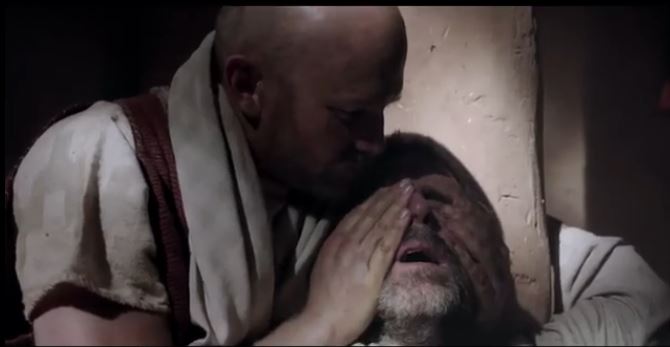
17 Then Ananias went to the house and entered it. Placing his hands on Saul, he said, “Brother Saul, the Lord—Jesus, who appeared to you on the road as you were coming here—has sent me so that you may see again and be filled with the Holy Spirit.” 18 Immediately, something like scales fell from Saul’s eyes, and he could see again. He got up and was baptized, 19 and after taking some food, he regained his strength.
Oh What A Wonderful Wonderful Day Day I Will Never Forget After I’d Wandered In Darkness Away Jesus My Savior I Met Oh What A Tender Compassionate Friend He Met The Need Of My Heart Shadows Dispelling With Joy I Am Telling He Made All The Darkness Depart
Chorus Heaven Came Down And Glory Filled My Soul When At The Cross The Savior Made Me Whole My Sins Were Washed Away And My Night Was Turned To Day Heaven Came Down And Glory Filled My Soul
Born Of The Spirit With Life From Above Into God’s Fam’ly Divine Justified Fully Thru Calvary’s Love Oh What A Standing Is Mine And The Transaction So Quickly Was Made When As A Sinner I Came Took Of The Offer Of Grace He Did Proffer He Saved Me Oh Praise His Dear Name
Now I’ve A Hope That Will Surely Endure After The Passing Of Time I Have A Future In Heaven For Sure There In Those Mansions Sublime And It’s Because Of That Wonderful Day When At The Cross I Believed Riches Eternal And Blessings Supernal From His Precious Hand I Received
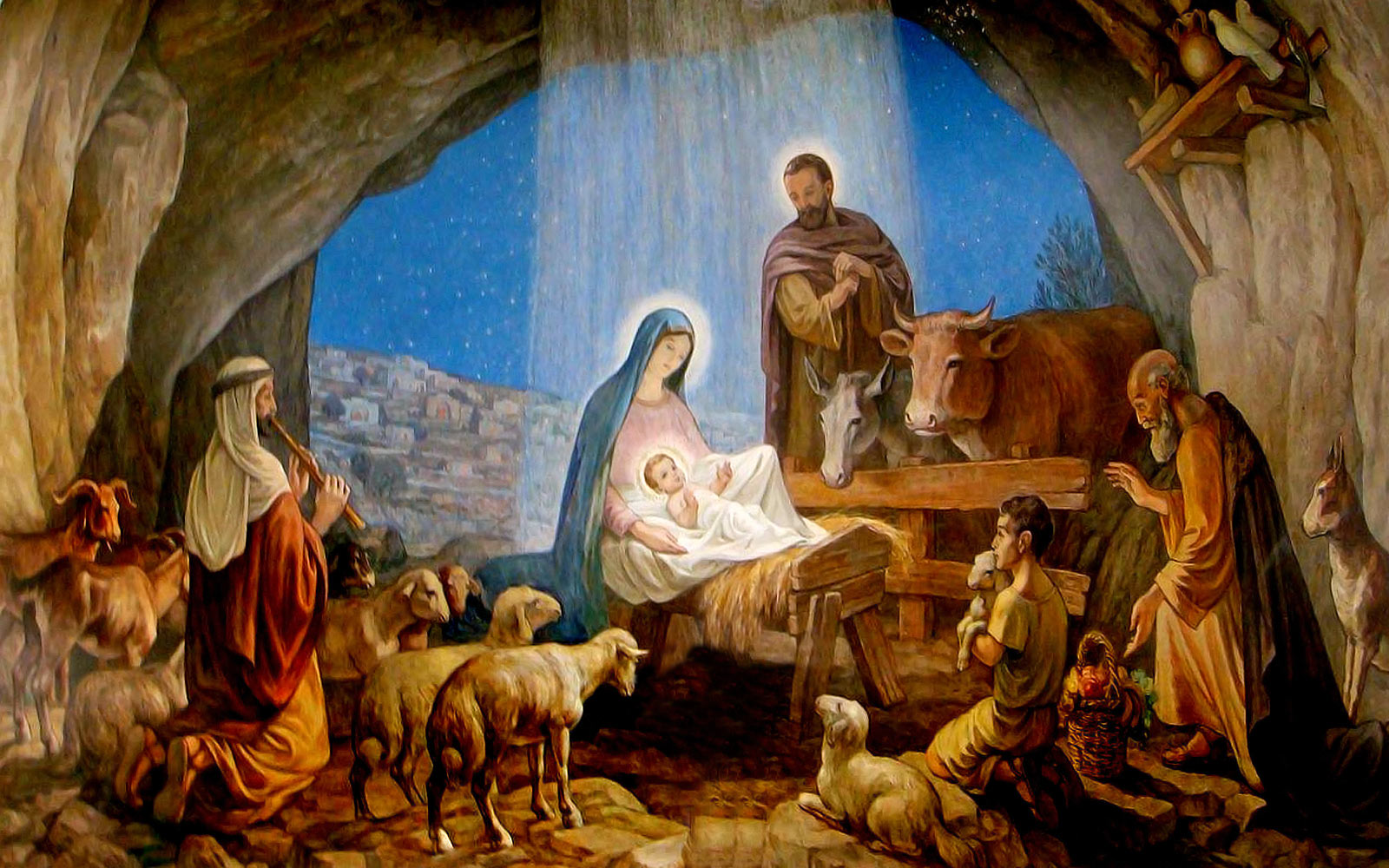
18 This is how the birth of Jesus the Messiah came about[d]: His mother Mary was pledged to be married to Joseph, but before they came together, she was found to be pregnant through the Holy Spirit.19 Because Joseph her husband was faithful to the law, and yet[e] did not want to expose her to public disgrace, he had in mind to divorce her quietly.
20 But after he had considered this, an angel of the Lord appeared to him in a dream and said, “Joseph son of David, do not be afraid to take Mary home as your wife, because what is conceived in her is from the Holy Spirit.21 She will give birth to a son, and you are to give him the name Jesus,[f] because he will save his people from their sins.”
22 All this took place to fulfill what the Lord had said through the prophet:23 “The virgin will conceive and give birth to a son, and they will call him Immanuel”[g] (which means “God with us”).
24 When Joseph woke up, he did what the angel of the Lord had commanded him and took Mary home as his wife.25 But he did not consummate their marriage until she gave birth to a son. And he gave him the name Jesus.
A while ago I was given a book of daily bible verses and the highlighted verse above is the one I read this morning. (Suppose I should of kept it for Christmas really).
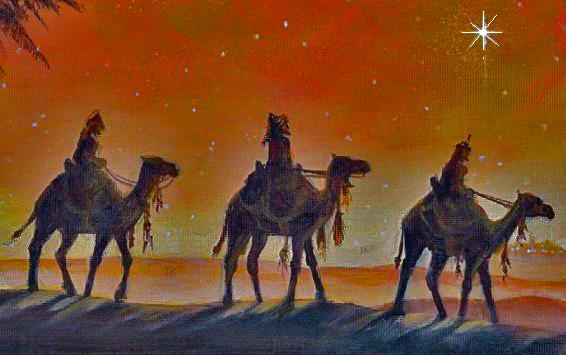
2 After Jesus was born in Bethlehem in Judea, during the time of King Herod, Magi[a] from the east came to Jerusalem 2 and asked, ‘Where is the one who has been born king of the Jews? We saw his star when it rose and have come to worship him.’
3 When King Herod heard this he was disturbed, and all Jerusalem with him. 4 When he had called together all the people’s chief priests and teachers of the law, he asked them where the Messiah was to be born. 5 ‘In Bethlehem in Judea,’ they replied, ‘for this is what the prophet has written:
6 ‘“But you, Bethlehem, in the land of Judah, are by no means least among the rulers of Judah; for out of you will come a ruler who will shepherd my people Israel.”[b]’
7 Then Herod called the Magi secretly and found out from them the exact time the star had appeared. 8 He sent them to Bethlehem and said, ‘Go and search carefully for the child. As soon as you find him, report to me, so that I too may go and worship him.’
9 After they had heard the king, they went on their way, and the star they had seen when it rose went ahead of them until it stopped over the place where the child was. 10 When they saw the star, they were overjoyed. 11 On coming to the house, they saw the child with his mother Mary, and they bowed down and worshipped him. Then they opened their treasures and presented him with gifts of gold, frankincense and myrrh.12 And having been warned in a dream not to go back to Herod, they returned to their country by another route.
As with gladness men of old Did the guiding star behold, As with joy they hailed its light, Leading onward, beaming bright; So, most gracious Lord, may we Evermore be led to Thee.
As with joyful steps they sped To that lowly manger bed, There to bend the knee before Him whom heav’n and earth adore; So may we, with willing feet, Ever seek Thy mercy seat.
As they offered gifts most rare At that manger rude and bare; So may we with holy joy, Pure and free from sin’s alloy, All our costliest treasures bring, Christ, to Thee, our heav’nly King.
Holy Jesus, every day Keep us in the narrow way; And, when earthly things are past, Bring our ransomed souls at last Where they need no star to guide, Where no clouds Thy glory hide.
Last night I was out Carolling with my local Salvation Army Band & Songsters. It was when we were asked to sing the above carol that I made the connection with ‘The Mercy Seat’(for those of you who do not know about The Salvation Army it has what is basically a piece of wood which acts as a place of prayer).
I also began to realise as I got into the next two verses that I suppose you could call this a prayer at Christmas time or anytime really.
Note: I aim to bring you Christmas blog on 25th December! Merry Christmas
18 Now the birth of Jesus Christ[a] took place in this way. When his mother Mary had been betrothed[b] to Joseph, before they came together she was found to be with child from the Holy Spirit. 19 And her husband Joseph, being a just man and unwilling to put her to shame, resolved to divorce her quietly. 20 But as he considered these things, behold, an angel of the Lord appeared to him in a dream, saying, “Joseph, son of David, do not fear to take Mary as your wife, for that which is conceived in her is from the Holy Spirit. 21 She will bear a son, and you shall call his name Jesus, for he will save his people from their sins.” 22 All this took place to fulfill what the Lord had spoken by the prophet:
23 “Behold, the virgin shall conceive and bear a son, and they shall call his name Immanuel”
(which means, God with us). 24 When Joseph woke from sleep, he did as the angel of the Lord commanded him: he took his wife, 25 but knew her not until she had given birth to a son. And he called his name Jesus.
[Verse 1] O holy night! The stars are brightly shining It is the night of our dear Savior’s birth Long lay the world in sin and error pining ‘Til He appears and the Soul felt its worth A thrill of hope the weary world rejoices For yonder breaks a new and glorious morn Fall on your knees; O hear the angel voices! O night divine, O night when Christ was born O night, O holy night, O night divine!
[Verse 2] Led by the light of Faith serenely beaming With glowing hearts by His cradle we stand So led by light of a star sweetly gleaming Here come the Wise Men from Orient land The King of kings lay thus in lowly manger In all our trials born to be our friend He knows our need, to our weakness is no stranger Behold your King; before Him lowly bend Behold your King; before Him lowly bend
[Verse 3] Truly He taught us to love one another; His law is love and His gospel is peace Chains shall He break, for the slave is our brother And in His name all oppression shall cease Sweet hymns of joy in grateful chorus raise we Let all within us praise His holy name Christ is the Lord; O praise His name forever! His power and glory evermore proclaim His power and glory evermore proclaim
Written by Leeson, Jane E.. The earliest work by Miss Leeson with which we are acquainted is her Infant Hymnings. Then followed Hymns and Scenes of Childhood, or A Sponsor’s Gift (London, James Burns; Nottingham, Dearden), 1842, in which the Infant Hymning’s were incorporated. Concerning Pt. ii. of the Hymns and Scenes, &c, Miss Leeson says, “For the best of the Poems in the second part, the Writer is indebted to a friend.” In the Rev. Henry Formby’s Catholic Hymns arranged in order for the principal Festivals, Feasts of Saints, and other occasions of Devotion throughout the Year, London, Burns and Lambert, N.D. [1851], “Imprimatur, N. Cardinalis Wiseman, May 3rd, 1853,” her translation of Victimae Paschali (“Christ the Lord is risen to-day”),
Psalm 23
The Divine Shepherd
A Psalm of David.
1
The Lord is my shepherd, I shall not want.
2
He makes me lie down in green pastures;
The Narrow Gate
13 “Enter through the narrow gate; for the gate is wide and the road is easy that leads to destruction, and there are many who take it. 14For the gate is narrow and the road is hard that leads to life, and there are few who find it.
Loving Shepherd of Thy sheep. Jane E. Leeson. [The Good Shepherd.] Published in her Hymns and Scenes of Childhood, 1842, No. 17, in 3 stanzas of 8 lines, and headed with the text “My sheep hear My voice, and I know them, and they follow Me,” &c. In its original form it is not often found in modern hymn-books. In Hymns Ancient & Modern, 1875, and most other collections, lines 4-8 of stanza i. are omitted, thus forming a hymn of 5 stanzas of 4 lines. The omitted lines are:—
“Bought with blood, and bought for Thee, Thine, and only Thine, I’d be, Holy, harmless, humble, mild, Jesus Christ’s obedient child.”